Address
Texas, United States

 Official HGFS Guidelines 2026 Released for Global Food Sustainability

support@helixgreen.org
HGFS (Helix Green Food Standard) is a science-based sustainability and food certification framework developed to support healthier, safer, and environmentally responsible food systems worldwide. HGFS provides international standards for restaurants, food brands, agriculture, beverages, and sustainable packaging operations.
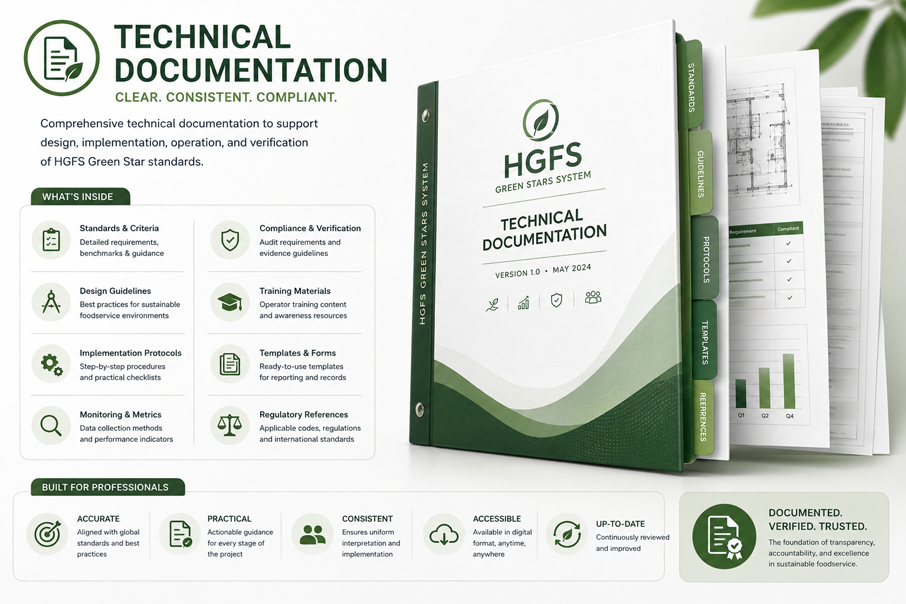

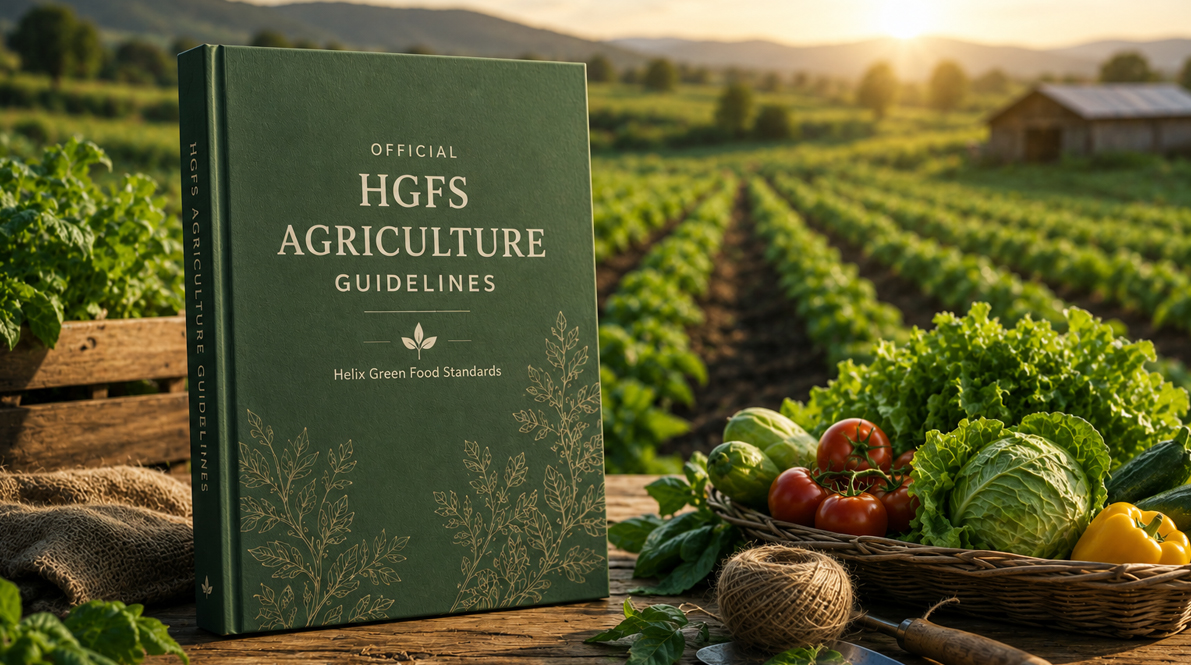

The Official HGFS Agriculture Guidelines represent the agricultural pillar of the Helix Green Food Standards (HGFS) framework and provide a comprehensive, science-based, sustainability-oriented model for modern agricultural systems. These guidelines have been developed to support farms, growers, agricultural cooperatives, food producers, agribusiness organizations, government agencies, sustainability professionals, researchers, and agricultural institutions seeking to align food production with environmental stewardship, climate resilience, biodiversity protection, food security, and long-term ecological sustainability.
Agriculture is one of the most important sectors influencing human health, economic development, environmental sustainability, ecosystem resilience, climate stability, and global food security. Modern food systems rely heavily on agricultural production, yet agriculture simultaneously faces unprecedented challenges including climate change, water scarcity, soil degradation, biodiversity loss, resource depletion, supply chain instability, increasing global food demand, environmental pollution, labor challenges, and sustainability accountability expectations.
The HGFS Agriculture Guidelines were created to provide an integrated framework capable of addressing these interconnected challenges through evidence-based, scientifically grounded, environmentally responsible, and operationally practical agricultural management systems. Rather than focusing solely on agricultural productivity, HGFS promotes a holistic vision in which food production, environmental protection, climate resilience, social responsibility, public health, and long-term sustainability function together as a unified agricultural ecosystem.
The guidelines recognize that sustainable agriculture extends far beyond crop cultivation. Agricultural operations influence soil health, water resources, biodiversity, greenhouse gas emissions, food safety, nutritional quality, occupational health, ecosystem stability, and future food-system resilience. Consequently, the HGFS framework evaluates agriculture through a systems-based sustainability perspective that encourages continuous improvement, measurable performance, responsible resource management, and transparent governance.
Within the HGFS framework, agricultural sustainability is viewed as a dynamic balance between productivity, environmental stewardship, economic viability, social responsibility, scientific innovation, and climate adaptation. The guidelines encourage organizations to adopt regenerative and resilient farming practices capable of protecting natural resources while simultaneously supporting stable food production and agricultural profitability.
A central objective of the HGFS Agriculture Guidelines is the protection and restoration of natural ecosystems. Healthy agricultural systems depend on healthy soils, sustainable water management, biodiversity conservation, responsible chemical use, climate-smart practices, and transparent operational governance. The framework therefore promotes agricultural strategies that strengthen ecological resilience rather than contribute to environmental degradation.
The HGFS model also recognizes the growing importance of traceability, transparency, and digital agriculture. Modern consumers, regulators, investors, and supply-chain partners increasingly expect evidence regarding environmental performance, sustainability practices, climate commitments, biodiversity protection, and responsible sourcing. The Agriculture Guidelines support these expectations through documentation systems, traceability mechanisms, sustainability metrics, verification requirements, and transparent agricultural reporting structures.
Innovation plays a significant role within the HGFS framework. The guidelines support responsible adoption of advanced agricultural technologies including precision agriculture, smart irrigation systems, environmental monitoring, artificial intelligence, remote sensing, digital traceability platforms, climate analytics, and scientifically governed biotechnology solutions. Technology is encouraged when it improves sustainability performance, resource efficiency, environmental protection, food safety, and long-term agricultural resilience.
The framework also places strong emphasis on social sustainability. Healthy food systems depend not only on environmental protection but also on healthy and protected agricultural workers. Farm worker health, occupational safety, sanitation, education, and ethical labor governance are therefore recognized as essential components of sustainable agricultural management.
Climate resilience is another major pillar of the HGFS Agriculture Guidelines. Agriculture both influences and is influenced by climate systems. Farms face increasing risks associated with extreme weather events, drought, flooding, temperature variability, pest migration, and water scarcity. The HGFS framework encourages climate-aware agricultural planning capable of improving adaptation, strengthening resilience, reducing environmental impact, and supporting long-term food security.
To ensure comprehensive sustainability coverage, the HGFS Agriculture Guidelines are organized into eleven integrated sections addressing every major dimension of responsible agricultural governance. These sections include Soil Health, Water Management, Responsible Biotechnology, Pesticide Management, Sustainable Farming, Biodiversity Protection, Crop Traceability, Harvest & Storage, Farm Worker Health, Carbon-Aware Agriculture, and the HGFS Agriculture Green Stars System.
Together, these sections establish a practical yet ambitious roadmap for farms and agricultural organizations seeking to demonstrate leadership in sustainable agriculture, environmental responsibility, climate resilience, biodiversity stewardship, food safety, public health protection, and regenerative agricultural innovation. Organizations implementing the HGFS Agriculture Guidelines may strengthen operational performance, enhance stakeholder trust, improve sustainability outcomes, support ESG initiatives, and contribute to the future of resilient global food systems.
The Official HGFS Agriculture Guidelines ultimately reflect the belief that agriculture should not simply produce food—it should protect ecosystems, strengthen communities, support public health, preserve natural resources, advance climate resilience, and create a sustainable foundation for future generations. Through science-based governance, measurable sustainability practices, and continuous improvement, the HGFS framework aims to support a healthier and more resilient agricultural future worldwide.
The HGFS Agriculture Guidelines were developed in response to the growing need for a comprehensive and internationally aligned framework capable of supporting sustainable agricultural development in an increasingly complex global environment. Agriculture remains one of humanity’s most essential activities, providing food, fiber, ingredients, livelihoods, economic stability, and ecosystem services that support societies around the world. However, modern agricultural systems are simultaneously facing significant environmental, economic, social, and climate-related challenges that require coordinated and science-based solutions.
Global food demand continues to increase as populations grow and dietary patterns evolve. At the same time, agricultural producers must operate under increasing pressure from climate variability, resource scarcity, soil degradation, biodiversity loss, water stress, supply chain disruptions, regulatory expectations, and consumer demands for greater transparency and sustainability. These interconnected challenges highlight the need for agricultural systems that are productive, resilient, environmentally responsible, and socially accountable.
The HGFS Agriculture Guidelines embrace a holistic vision of agriculture that extends beyond yield optimization and short-term productivity goals. Sustainable agriculture is viewed as a long-term commitment to protecting natural resources, preserving ecosystem functionality, supporting rural communities, maintaining economic viability, and ensuring food security for future generations. Agricultural success should therefore be measured not only by production volume but also by environmental stewardship, resource efficiency, climate resilience, social responsibility, and contribution to public wellbeing.
One of the foundational principles of the HGFS framework is systems thinking. Agricultural operations do not exist in isolation. Soil health influences crop performance, water availability affects productivity, biodiversity supports ecosystem resilience, farming practices impact climate outcomes, and agricultural decisions shape food quality and supply chain sustainability. Effective agricultural management requires understanding these relationships and managing them in an integrated and coordinated manner.
The framework strongly supports regenerative and climate-smart agricultural approaches. Regenerative agriculture seeks to restore ecosystem health, improve soil functionality, increase biodiversity, strengthen water retention, and enhance long-term agricultural resilience. Climate-smart agriculture focuses on adaptation, mitigation, resource efficiency, and the development of farming systems capable of responding effectively to changing environmental conditions. Together, these approaches provide valuable pathways toward more sustainable food production systems.
Water stewardship represents another critical component of agricultural sustainability. Agriculture is one of the largest users of freshwater resources globally, making efficient water management essential for both environmental protection and long-term agricultural viability. The HGFS framework promotes responsible irrigation practices, water conservation strategies, monitoring systems, watershed protection initiatives, and continuous improvement in water-use efficiency.
The guidelines also recognize the importance of scientific innovation and responsible technology adoption. Modern agricultural systems increasingly benefit from precision farming, remote sensing technologies, environmental monitoring platforms, artificial intelligence applications, digital traceability tools, biotechnology innovations, and data-driven decision-making systems. HGFS encourages innovation when it contributes to sustainability objectives, environmental protection, food safety, resource optimization, and long-term agricultural resilience.
Transparency and traceability are becoming increasingly important throughout global food systems. Consumers, retailers, regulators, investors, and certification bodies often seek evidence regarding agricultural practices, environmental performance, sourcing integrity, biodiversity protection, and sustainability commitments. The HGFS Agriculture Guidelines support traceability systems that improve accountability, strengthen stakeholder confidence, and facilitate responsible supply-chain management.
The framework further recognizes that sustainable agriculture must include strong social responsibility principles. Agricultural workers play a critical role in food production and deserve safe working environments, fair treatment, health protection, training opportunities, and access to appropriate occupational safety measures. Sustainable agriculture cannot be achieved without protecting the wellbeing of the people who contribute to agricultural operations.
Climate change remains one of the most significant challenges facing global agriculture. Rising temperatures, changing precipitation patterns, drought conditions, extreme weather events, pest migration, and ecosystem disruption all affect agricultural productivity and resilience. The HGFS framework encourages agricultural organizations to assess climate risks, implement adaptation strategies, reduce environmental impacts, and contribute to broader climate-resilience objectives.
Environmental stewardship is embedded throughout the HGFS Agriculture Guidelines. Organizations are encouraged to manage soil resources responsibly, protect biodiversity, reduce unnecessary environmental impacts, minimize pollution risks, support ecosystem restoration, and integrate sustainability considerations into operational planning and decision-making processes.
The HGFS Agriculture Guidelines are designed to be applicable across diverse agricultural systems, including crop production, horticulture, specialty agriculture, greenhouse operations, agricultural cooperatives, vertically integrated food-production systems, and emerging agricultural technologies. The framework provides flexibility while maintaining consistent sustainability principles and measurable performance expectations.
Through the integration of environmental responsibility, scientific innovation, social accountability, climate resilience, food security, and continuous improvement, the HGFS Agriculture Guidelines provide a practical roadmap for the future of sustainable agriculture. Organizations implementing the framework can strengthen operational performance, improve sustainability outcomes, support ESG initiatives, enhance stakeholder trust, and contribute to healthier and more resilient global food systems.
Ultimately, the HGFS Agriculture Guidelines reflect the belief that agriculture should be productive, regenerative, transparent, resilient, and responsible. By balancing food production with ecosystem protection and long-term sustainability, agricultural organizations can play a leading role in building a healthier future for people, communities, and the planet.
The Official HGFS Agriculture Guidelines provide a comprehensive framework for sustainable, regenerative, climate-conscious, and scientifically responsible agricultural systems. The standard addresses the full agricultural lifecycle, from soil stewardship and water conservation to biodiversity protection, responsible biotechnology, crop traceability, post-harvest management, farm worker well-being, and carbon-aware agricultural practices. Developed under the Helix Green Food Standards (HGFS) framework, these guidelines support farms, agricultural cooperatives, growers, agribusinesses, food producers, policymakers, sustainability leaders, and agricultural institutions seeking to align agricultural production with environmental stewardship, climate resilience, public health, food security, and long-term planetary sustainability.
Section 1 — Soil Health
Section 2 — Water Management
Section 3 — Responsible Biotechnology
Section 4 — Pesticide Management
Section 5 — Sustainable Farming
Section 6 — Biodiversity Protection
Section 7 — Crop Traceability
Section 8 — Harvest & Storage
Section 9 — Farm Worker Health
Section 10 — Carbon-Aware Agriculture
Section 11 — HGFS Agriculture Green Stars System
Soil is one of the most valuable natural resources supporting life on Earth and serves as the foundation of agricultural productivity, ecosystem stability, food security, and environmental sustainability. Healthy soils provide essential functions including nutrient cycling, water retention, carbon sequestration, biological activity, crop support, and ecosystem resilience. The HGFS Agriculture Guidelines therefore recognize Soil Health as one of the most important pillars of sustainable agricultural management.
Modern agricultural systems depend heavily on the long-term functionality of soil ecosystems. However, many regions around the world continue to experience soil degradation resulting from erosion, nutrient depletion, organic matter loss, compaction, salinization, unsustainable land management practices, excessive chemical inputs, and climate-related pressures. These challenges may reduce agricultural productivity while simultaneously increasing environmental vulnerability.
The HGFS framework encourages agricultural organizations to adopt soil-management strategies that maintain and improve soil quality over time. Sustainable soil stewardship should support agricultural productivity while protecting ecological functions, conserving resources, and strengthening long-term resilience. Soil should be viewed not merely as a production medium but as a living ecosystem requiring active protection and responsible management.
Organic matter plays a critical role in soil health. Healthy levels of organic material contribute to nutrient availability, microbial activity, soil structure, water retention capacity, and overall ecosystem functionality. Organizations are encouraged to implement practices that maintain or enhance soil organic matter through responsible residue management, compost utilization, cover cropping, crop rotation, and other regenerative agricultural approaches.
Soil biodiversity is another important component of agricultural sustainability. Microorganisms, fungi, earthworms, insects, and countless other soil organisms contribute to nutrient cycling, disease suppression, organic matter decomposition, and ecosystem stability. Agricultural practices should seek to preserve and support beneficial biological activity while minimizing unnecessary disturbances to soil ecosystems.
Erosion prevention is a major priority within the HGFS Soil Health framework. Wind and water erosion may remove valuable topsoil, reduce fertility, impair water quality, and weaken long-term agricultural productivity. Organizations are encouraged to adopt conservation practices such as cover crops, reduced tillage systems, contour farming, vegetation buffers, and soil-protection measures that reduce erosion risks.
Nutrient management should be based on scientific assessment and responsible stewardship principles. Excessive nutrient application may contribute to environmental pollution, water-quality degradation, greenhouse-gas emissions, and inefficient resource utilization. The framework encourages balanced nutrient-management strategies supported by soil testing, monitoring systems, precision agriculture tools, and continuous evaluation.
Soil compaction may negatively affect root development, water infiltration, biological activity, and crop performance. Organizations should evaluate equipment use, traffic management, field operations, and cultivation practices to minimize compaction risks and preserve healthy soil structure.
Climate resilience is closely linked to soil health. Soils with strong organic matter content, healthy biological communities, and improved structural integrity are often more capable of withstanding drought conditions, heavy rainfall events, temperature fluctuations, and other environmental stresses. Investments in soil health therefore contribute directly to agricultural adaptation and resilience strategies.
Carbon sequestration represents an additional environmental benefit associated with healthy soil systems. Agricultural soils can function as important carbon sinks when managed responsibly through regenerative and climate-smart practices. The HGFS framework encourages organizations to explore opportunities for improving soil carbon storage while supporting productivity and ecosystem health.
Monitoring and measurement are essential components of effective soil governance. Organizations are encouraged to establish soil-assessment programs capable of tracking key indicators such as organic matter levels, nutrient status, biological activity, pH, salinity, compaction, erosion risk, and overall soil quality trends. Data-driven decision-making supports continuous improvement and long-term sustainability outcomes.
The HGFS Agriculture Guidelines further encourage integration of soil stewardship into broader sustainability strategies. Soil management should align with water conservation efforts, biodiversity initiatives, climate-resilience planning, regenerative agriculture programs, and environmental protection objectives. Integrated management approaches frequently generate stronger outcomes than isolated interventions.
As global food systems face increasing pressures from climate change, population growth, resource scarcity, and environmental degradation, soil health becomes increasingly important for future agricultural resilience. Protecting soil resources today helps safeguard agricultural productivity and food security for future generations.
Within the HGFS Agriculture Guidelines, Soil Health is viewed not simply as an agronomic consideration but as a strategic foundation for sustainable agriculture, environmental stewardship, climate resilience, biodiversity protection, and long-term food-system sustainability.
Water is one of the most critical resources supporting agricultural productivity, ecosystem health, food security, and rural development. Agriculture accounts for a significant proportion of global freshwater use, making responsible water stewardship essential for both environmental sustainability and long-term agricultural resilience. The HGFS Agriculture Guidelines therefore recognize Water Management as a fundamental pillar of sustainable farming systems and climate-resilient food production.
Agricultural operations depend on reliable water resources for crop growth, soil functionality, nutrient transport, livestock support, and overall farm productivity. However, increasing pressures associated with climate change, population growth, drought conditions, groundwater depletion, watershed degradation, and competing resource demands have intensified the need for more efficient and responsible water-management strategies.
The HGFS framework encourages organizations to adopt integrated water-management systems that balance agricultural productivity with environmental protection and resource conservation. Water should be managed as a valuable and finite resource requiring continuous monitoring, strategic planning, risk management, and ongoing improvement.
Efficient irrigation practices represent one of the most important opportunities for improving agricultural sustainability. Organizations are encouraged to evaluate irrigation technologies, scheduling systems, application methods, and water-distribution infrastructure to minimize losses and maximize water-use efficiency. Precision irrigation systems, soil-moisture monitoring technologies, and data-driven decision-making tools may contribute significantly to improved performance.
Water conservation should be incorporated throughout agricultural operations. Strategies such as rainwater harvesting, runoff management, water recycling, efficient irrigation design, drought-resistant crop selection, and landscape planning can help reduce resource consumption while maintaining productivity. Conservation initiatives not only improve sustainability outcomes but may also strengthen operational resilience during periods of water scarcity.
Groundwater protection is another critical component of responsible water stewardship. Excessive groundwater extraction may contribute to aquifer depletion, land subsidence, ecosystem disruption, and long-term water-security challenges. Organizations are encouraged to monitor groundwater use, comply with applicable regulations, and implement practices that support sustainable withdrawal rates and aquifer protection.
Water quality management is equally important. Agricultural activities can influence surface water and groundwater quality through nutrient runoff, sediment transport, pesticide movement, waste discharge, and other environmental pathways. The HGFS framework encourages preventive measures designed to protect water resources from contamination and maintain healthy watershed conditions.
Watershed stewardship extends beyond individual farm boundaries. Agricultural organizations are encouraged to recognize their role within broader water ecosystems and collaborate with local communities, water authorities, environmental organizations, and neighboring land users to support sustainable watershed management and shared-resource protection.
Climate change introduces additional challenges for agricultural water management. Increased frequency of drought events, altered precipitation patterns, extreme weather conditions, and temperature variability may significantly affect water availability and agricultural productivity. Climate-resilient water-management strategies are therefore essential components of long-term agricultural planning.
The framework supports the use of monitoring systems capable of evaluating water consumption, irrigation performance, resource efficiency, water quality indicators, and conservation outcomes. Data-driven management allows organizations to identify opportunities for improvement and respond proactively to emerging risks.
Technological innovation is playing an increasingly important role in agricultural water stewardship. Remote sensing systems, satellite monitoring platforms, smart irrigation technologies, environmental sensors, predictive analytics, and artificial intelligence applications can help optimize water use while supporting sustainability objectives.
Organizations are encouraged to establish measurable water-performance objectives and integrate water stewardship into broader sustainability governance systems. Effective water management should align with soil conservation, biodiversity protection, climate adaptation, carbon-reduction strategies, and responsible agricultural development.
As global water challenges continue to intensify, responsible water stewardship will become increasingly important for the future of agriculture. Farms capable of managing water efficiently, protecting water resources, and adapting to changing environmental conditions will be better positioned to support long-term food security and sustainability.
Within the HGFS Agriculture Guidelines, Water Management is viewed not merely as a production requirement but as a strategic responsibility that supports environmental stewardship, climate resilience, ecosystem protection, agricultural productivity, and the long-term sustainability of global food systems.
Biotechnology has become an increasingly important component of modern agricultural systems and has the potential to contribute significantly to food security, resource efficiency, crop resilience, environmental sustainability, and agricultural innovation. At the same time, biotechnology applications may raise important questions related to biosafety, environmental impact, transparency, ethics, public trust, and long-term sustainability. The HGFS Agriculture Guidelines therefore promote a balanced and science-based approach to Responsible Biotechnology.
The HGFS framework recognizes that biotechnology encompasses a broad spectrum of technologies, including traditional breeding techniques, molecular breeding, marker-assisted selection, microbial technologies, biological inputs, precision breeding systems, gene-editing technologies, and other scientific innovations designed to improve agricultural performance. Each technology should be evaluated based on evidence, risk assessment, transparency, and sustainability outcomes rather than ideological assumptions.
Responsible biotechnology governance begins with scientific integrity. Organizations implementing biotechnology-related practices should rely on credible scientific evidence, validated research, risk-management procedures, and transparent decision-making processes. The framework encourages evidence-based evaluation of both potential benefits and potential risks associated with biotechnology applications.
Food security remains one of the major drivers of agricultural innovation. Biotechnology may contribute to improved crop yields, enhanced nutritional characteristics, increased resistance to pests and diseases, climate resilience, reduced resource consumption, and greater agricultural efficiency. These potential benefits should be carefully considered alongside environmental, social, and ethical factors.
Biosafety is a core principle within the HGFS biotechnology framework. Agricultural organizations are encouraged to implement appropriate risk-assessment procedures capable of evaluating potential environmental impacts, ecosystem interactions, biodiversity considerations, unintended consequences, and long-term sustainability implications associated with biotechnology deployment.
Transparency is essential for maintaining public confidence and stakeholder trust. Organizations should maintain clear documentation regarding biotechnology applications, supplier information, production systems, traceability mechanisms, and relevant compliance requirements. Transparent communication helps consumers and stakeholders make informed decisions while strengthening accountability throughout agricultural supply chains.
The framework also supports coexistence and responsible choice within agricultural systems. Different agricultural models—including conventional agriculture, biotechnology-enabled agriculture, regenerative agriculture, organic production systems, and emerging farming approaches—may each contribute to sustainable food production under different circumstances. HGFS encourages respectful and evidence-based evaluation rather than unnecessary polarization.
Environmental sustainability remains an important consideration. Biotechnology applications should be evaluated based on their potential influence on pesticide use, resource efficiency, greenhouse-gas emissions, soil health, biodiversity conservation, water consumption, and overall ecological performance. Technologies that contribute to measurable sustainability improvements may support broader environmental objectives when appropriately governed.
Innovation governance is another critical component of responsible biotechnology management. Organizations should establish policies covering research oversight, technology assessment, stakeholder engagement, ethical review, regulatory compliance, and continuous monitoring. Effective governance systems help ensure that innovation progresses responsibly and transparently.
Traceability systems may further strengthen biotechnology accountability by supporting documentation, supply-chain visibility, product identification, and verification mechanisms. Digital traceability tools can help organizations manage information effectively while improving transparency and risk management.
The framework recognizes that scientific knowledge continues to evolve. Organizations are encouraged to monitor emerging research, regulatory developments, sustainability findings, and technological advances that may influence biotechnology practices and governance requirements over time.
Collaboration among researchers, agricultural producers, policymakers, technology developers, environmental organizations, and consumers can contribute to more balanced decision-making and stronger innovation outcomes. Multi-stakeholder engagement supports transparency while helping address complex sustainability challenges.
Within the HGFS Agriculture Guidelines, biotechnology is viewed as a tool rather than an objective. Its value should ultimately be measured by its ability to contribute responsibly to food security, environmental sustainability, agricultural resilience, public wellbeing, and long-term ecological stewardship.
The HGFS framework therefore encourages Responsible Biotechnology that is science-based, transparent, evidence-driven, environmentally conscious, socially accountable, and aligned with the broader goals of sustainable agriculture and resilient food systems.
Pesticide management is a critical component of sustainable and responsible agriculture. While pesticides play an important role in protecting crops from pests, diseases, and invasive species, their improper use can have significant consequences for human health, environmental quality, biodiversity, and long-term agricultural productivity. The HGFS Agriculture Guidelines provide a comprehensive, science-based framework for evaluating and managing pesticide use within modern farming systems.
The guidelines promote Integrated Pest Management (IPM) as a core strategy. IPM emphasizes the combination of cultural, biological, mechanical, and chemical methods to manage pests effectively while minimizing environmental impact and reducing chemical inputs. This approach prioritizes preventive measures, monitoring, early intervention, and data-driven decision-making to maintain crop health without unnecessary chemical exposure.
Risk reduction is a fundamental principle. Organizations are encouraged to implement measures that limit pesticide residues in soil, water, crops, and surrounding ecosystems. This includes careful selection of active ingredients, precise dosage application, timing optimization, and use of targeted delivery systems. Such practices help protect farm workers, consumers, wildlife, and natural habitats from exposure to harmful chemicals.
Human health protection is a central consideration. Pesticide use must comply with internationally recognized safety standards, occupational exposure limits, and regulatory requirements. Organizations should provide training, personal protective equipment (PPE), monitoring systems, and safety protocols to ensure the wellbeing of farm personnel. Safe storage, handling, transport, and disposal practices are critical components of responsible pesticide management.
Environmental protection is equally essential. Pesticide management strategies should minimize contamination of water resources, prevent runoff and leaching, reduce impacts on non-target organisms, protect soil microbiota, and maintain ecosystem integrity. Buffer zones, vegetative barriers, biological control agents, and precision application methods are recommended to reduce off-target effects and ecological disruption.
Residue management ensures that food products meet safety standards. The guidelines emphasize careful monitoring of pre-harvest intervals, adherence to maximum residue limits (MRLs), and implementation of analytical testing systems to verify compliance. This protects consumers while maintaining the credibility and market access of agricultural products.
Precision agriculture technologies can enhance pesticide management. GPS-guided sprayers, drone monitoring, sensor-based applications, predictive modeling, and AI-assisted decision tools allow farmers to optimize pesticide application, reduce waste, and minimize environmental footprint while maintaining efficacy.
Alternative pest control methods are encouraged to reduce reliance on synthetic chemicals. Biological control agents, companion planting, crop rotation, resistant varieties, pheromone traps, and mechanical interventions provide additional strategies for effective pest management while supporting environmental sustainability.
The HGFS framework also emphasizes continuous monitoring, documentation, and verification. Organizations should maintain accurate records of pesticide use, evaluate performance outcomes, and adjust strategies based on observed results. Regular audits, compliance checks, and stakeholder reporting support transparency and accountability.
Overall, pesticide management within the HGFS Agriculture Guidelines seeks to balance crop protection, human health, environmental stewardship, regulatory compliance, and long-term sustainability. By implementing evidence-based, science-driven, and ethically responsible practices, agricultural organizations can minimize risk, protect ecosystems, maintain product integrity, and contribute to a resilient, sustainable, and safe global food system.
Sustainable farming represents the integration of environmental stewardship, economic viability, social responsibility, scientific innovation, and long-term agricultural resilience into a unified agricultural management system. The HGFS Agriculture Guidelines recognize sustainable farming as one of the most important pathways for ensuring food security while protecting natural resources, supporting rural communities, and maintaining ecosystem health for future generations.
Modern agriculture faces the challenge of increasing food production while simultaneously reducing environmental impacts and improving resource efficiency. Sustainable farming seeks to address this challenge by promoting agricultural systems that maintain productivity without compromising the ability of future generations to meet their own needs. The HGFS framework encourages agricultural organizations to balance production goals with environmental and social responsibilities through science-based management practices.
A central principle of sustainable farming is resource optimization. Agricultural operations should seek to maximize the efficient use of land, water, energy, nutrients, biological resources, and technological inputs while minimizing waste, pollution, and unnecessary environmental burdens. Resource efficiency not only supports sustainability objectives but may also improve long-term economic performance and operational resilience.
The framework encourages the adoption of regenerative agricultural practices capable of restoring ecosystem functions while maintaining agricultural productivity. Crop rotation, cover cropping, conservation tillage, integrated nutrient management, organic matter enhancement, agroforestry systems, and soil-restoration programs may contribute to healthier agricultural landscapes and improved long-term sustainability outcomes.
Sustainable farming also requires responsible management of agricultural inputs. Fertilizers, pesticides, irrigation resources, machinery, packaging materials, and other operational inputs should be selected and utilized in ways that minimize environmental impacts while supporting productivity and food safety objectives. Organizations are encouraged to continuously evaluate opportunities for improvement and innovation.
Biodiversity plays an important role in sustainable agricultural systems. Diverse agricultural landscapes often demonstrate improved resilience, ecosystem stability, pollination support, natural pest regulation, and enhanced environmental performance. The HGFS framework encourages farming practices that preserve natural habitats, support beneficial species, and strengthen ecological balance throughout agricultural environments.
Climate resilience is increasingly important within sustainable farming systems. Agricultural organizations face growing risks associated with drought, flooding, extreme weather events, temperature variability, pest migration, and changing environmental conditions. Sustainable farming strategies should therefore incorporate adaptation planning, risk management, climate-smart technologies, and resilience-building measures capable of supporting long-term productivity under changing conditions.
Technology and innovation can play valuable roles in advancing sustainable agriculture. Precision agriculture systems, satellite monitoring, remote sensing technologies, artificial intelligence applications, environmental analytics, digital farm-management platforms, and smart equipment may improve decision-making while enhancing sustainability performance. The framework supports technology adoption when it contributes to measurable environmental, economic, or social benefits.
Economic sustainability remains a critical component of responsible farming. Sustainable agricultural systems must remain financially viable if they are to be maintained over time. The HGFS framework therefore encourages organizations to consider productivity, profitability, market access, efficiency improvements, risk management, and value creation alongside environmental and social objectives.
Community engagement and social responsibility also contribute to sustainable farming outcomes. Agricultural organizations often play important roles within local communities through employment, economic development, food production, environmental stewardship, and educational initiatives. Strong community relationships can enhance resilience while supporting broader sustainability goals.
Continuous improvement is a defining characteristic of sustainable farming systems. Organizations are encouraged to establish measurable sustainability objectives, monitor performance indicators, assess outcomes, identify opportunities for improvement, and implement corrective actions when necessary. Sustainability should be viewed as an ongoing process rather than a fixed achievement.
The HGFS Agriculture Guidelines promote integrated management approaches that connect soil health, water stewardship, biodiversity conservation, climate resilience, biotechnology governance, traceability systems, and responsible resource use into a cohesive agricultural strategy. This systems-based perspective supports stronger environmental outcomes while maintaining agricultural productivity and operational effectiveness.
As global food systems continue to evolve, sustainable farming will play an increasingly important role in addressing food security challenges, climate adaptation needs, environmental protection objectives, and societal expectations. Farms capable of integrating sustainability into daily operations will be better positioned to thrive in a changing world.
Within the HGFS Agriculture Guidelines, Sustainable Farming is viewed as the practical implementation of responsible agriculture—an approach that protects natural resources, supports human wellbeing, strengthens economic resilience, and contributes to a healthier and more sustainable future for agriculture worldwide.
Biodiversity is one of the fundamental pillars supporting healthy agricultural ecosystems and sustainable food production systems. Biological diversity contributes to ecosystem stability, pollination services, soil fertility, nutrient cycling, natural pest regulation, climate resilience, water quality protection, and overall environmental health. The HGFS Agriculture Guidelines therefore recognize Biodiversity Protection as a core component of responsible agricultural management and long-term sustainability.
Agricultural landscapes exist within broader ecological systems and are closely interconnected with surrounding habitats, wildlife populations, pollinator communities, soil organisms, water resources, and natural ecosystems. Farming activities can influence biodiversity both positively and negatively depending on management practices, land-use decisions, resource utilization patterns, and environmental stewardship approaches.
The HGFS framework encourages agricultural organizations to adopt practices that protect, conserve, and where possible enhance biodiversity throughout farming operations. Biodiversity conservation should not be viewed as separate from agricultural productivity. In many cases, healthy ecosystems directly support crop performance, resilience, resource efficiency, and long-term farm sustainability.
Habitat protection is one of the most effective strategies for supporting biodiversity. Natural areas such as wetlands, riparian zones, forests, grasslands, hedgerows, buffer strips, and native vegetation corridors provide essential habitat for numerous species and contribute to ecological connectivity across landscapes. Organizations are encouraged to identify and protect ecologically valuable areas within and surrounding agricultural operations.
Pollinators play a particularly important role in global food systems. Bees, butterflies, birds, bats, and other pollinating species contribute significantly to agricultural productivity and crop diversity. The framework encourages farming practices that support pollinator health through habitat conservation, responsible pesticide management, flowering vegetation programs, and reduction of unnecessary environmental disturbances.
Soil biodiversity represents another critical dimension of ecosystem health. Microorganisms, fungi, earthworms, insects, and other soil organisms contribute to nutrient cycling, organic matter decomposition, disease suppression, water retention, and overall soil functionality. Agricultural practices should seek to maintain healthy biological communities while minimizing actions that may degrade soil ecosystems.
The framework supports landscape-level approaches to biodiversity management. Individual farms often operate within larger ecological networks, making collaboration among landowners, agricultural producers, conservation organizations, and local communities important for achieving meaningful biodiversity outcomes. Cooperative approaches may strengthen ecosystem resilience while supporting regional sustainability objectives.
Responsible land-use planning can further contribute to biodiversity conservation. Agricultural expansion, infrastructure development, habitat fragmentation, and intensive land-use practices may affect ecological integrity and species diversity. Organizations are encouraged to evaluate environmental impacts carefully and integrate biodiversity considerations into strategic planning processes.
Climate change presents growing challenges for biodiversity conservation. Shifts in temperature, precipitation patterns, habitat conditions, species distribution, and ecosystem dynamics may affect both agricultural systems and natural environments. Biodiversity-rich ecosystems often demonstrate greater resilience to environmental stress and may support adaptation efforts across agricultural landscapes.
Native species conservation is another important aspect of the HGFS approach. Native plants, wildlife, and ecological communities frequently provide valuable ecosystem services while contributing to environmental stability and cultural heritage. Organizations are encouraged to protect native biodiversity and avoid unnecessary ecological disruption.
Monitoring and assessment programs can help organizations understand biodiversity conditions and measure conservation outcomes. Environmental surveys, habitat assessments, species monitoring activities, ecological indicators, and biodiversity performance metrics may support more informed management decisions and continuous improvement efforts.
The framework also recognizes the role of regenerative agriculture in supporting biodiversity. Practices such as agroforestry, cover cropping, crop diversification, integrated pest management, reduced tillage systems, and habitat restoration initiatives may strengthen ecosystem functionality while supporting agricultural productivity.
Transparency and stakeholder engagement contribute to effective biodiversity governance. Organizations are encouraged to communicate conservation efforts, environmental objectives, ecological outcomes, and biodiversity commitments through sustainability reporting and stakeholder dialogue.
As global biodiversity faces increasing pressures from habitat loss, pollution, climate change, invasive species, and resource exploitation, agricultural organizations have an important opportunity to contribute positively to environmental stewardship. Responsible biodiversity management helps protect ecosystem services that are essential for both agriculture and society.
Within the HGFS Agriculture Guidelines, Biodiversity Protection is viewed as a strategic investment in ecosystem resilience, agricultural sustainability, environmental responsibility, climate adaptation, and the long-term health of global food systems.
Traceability has become an essential component of modern agricultural systems, food safety governance, sustainability verification, and consumer trust. As food supply chains become increasingly complex and globally interconnected, stakeholders throughout the agricultural ecosystem require greater visibility regarding product origins, production practices, environmental performance, and supply-chain integrity. The HGFS Agriculture Guidelines therefore recognize Crop Traceability as a foundational element of responsible agricultural management.
Crop traceability refers to the ability to track agricultural products throughout their lifecycle, from cultivation and harvesting to storage, transportation, processing, distribution, and final consumption. Effective traceability systems provide transparency regarding where products originate, how they were produced, which inputs were utilized, and how they moved throughout the supply chain.
The HGFS framework encourages organizations to establish robust traceability systems capable of supporting food safety objectives, sustainability verification, quality assurance, risk management, regulatory compliance, and consumer confidence. Traceability should be integrated into daily operations rather than treated solely as a compliance requirement.
Accurate documentation serves as the foundation of effective traceability. Agricultural organizations are encouraged to maintain records related to planting activities, seed sources, crop varieties, field locations, input applications, irrigation practices, harvesting operations, storage conditions, transportation activities, and distribution pathways. Comprehensive documentation supports transparency while facilitating verification and continuous improvement.
Food safety remains one of the most important benefits of crop traceability systems. In the event of contamination concerns, quality incidents, product recalls, or regulatory investigations, traceability records can help organizations identify affected products rapidly, isolate risks efficiently, and implement corrective actions effectively. Improved traceability contributes directly to consumer protection and supply-chain resilience.
Sustainability verification is another important application. Increasingly, consumers, retailers, certification bodies, investors, and regulators seek evidence regarding environmental stewardship, responsible resource management, biodiversity protection, climate commitments, and sustainable agricultural practices. Traceability systems provide the documentation necessary to support these claims and demonstrate accountability.
Digital technologies are transforming agricultural traceability. QR codes, blockchain systems, cloud-based data platforms, geospatial technologies, mobile applications, digital farm-management systems, and remote monitoring tools can improve visibility while reducing administrative burdens. The HGFS framework encourages responsible adoption of digital traceability technologies when they enhance transparency, accuracy, and operational effectiveness.
Supply-chain visibility supports stronger risk management and operational performance. Organizations that understand the movement of products, materials, and information throughout the supply chain are often better positioned to respond to disruptions, identify inefficiencies, improve sustainability outcomes, and strengthen stakeholder trust.
Traceability also contributes to market differentiation. Consumers increasingly value information regarding product origins, farming practices, environmental performance, and sourcing integrity. Transparent agricultural systems may help organizations build stronger relationships with consumers while demonstrating commitment to responsible production practices.
The framework encourages organizations to establish traceability procedures that are appropriate for their size, operational complexity, and risk profile. While implementation approaches may vary, all systems should support accuracy, reliability, accessibility, verification, and continuous improvement.
Data quality is a critical consideration within traceability systems. Information should be accurate, consistent, secure, and regularly reviewed to ensure reliability. Organizations are encouraged to implement controls capable of protecting data integrity while supporting transparency objectives.
Traceability should extend beyond product movement alone. Modern agricultural systems increasingly benefit from visibility into environmental performance indicators, sustainability metrics, resource utilization patterns, and operational practices that influence long-term agricultural outcomes.
Stakeholder engagement can further strengthen traceability effectiveness. Collaboration among producers, suppliers, processors, distributors, retailers, certification bodies, and consumers supports information sharing while improving supply-chain accountability and trust.
As expectations for transparency continue to increase globally, traceability systems will play an increasingly important role in sustainable agriculture, responsible sourcing, ESG reporting, and food-system governance. Organizations capable of demonstrating transparency and accountability will be better positioned to meet evolving market expectations and regulatory requirements.
Within the HGFS Agriculture Guidelines, Crop Traceability is viewed as a strategic tool for transparency, food safety, sustainability verification, risk management, consumer confidence, and the development of more resilient and accountable agricultural supply chains.
Harvest and storage represent critical stages in the agricultural value chain where quality, safety, sustainability, and post-harvest losses are directly influenced. Proper management of harvest operations and storage conditions ensures that crops maintain nutritional integrity, environmental sustainability goals are met, and economic losses are minimized. The HGFS Agriculture Guidelines therefore prioritize Harvest & Storage as a key component of sustainable farming systems.
Harvest planning should be based on crop maturity, climatic conditions, labor availability, market timing, and quality requirements. The framework encourages organizations to implement evidence-based schedules that optimize yield, reduce waste, and preserve product quality. Monitoring crop readiness and using precision-harvesting techniques can minimize damage and maximize nutritional value.
Post-harvest quality management is essential for maintaining food safety, freshness, and marketability. Practices include careful handling, sorting, grading, cleaning, and inspection to prevent contamination, physical damage, or spoilage. These procedures support consumer protection, regulatory compliance, and sustainability objectives by minimizing waste throughout the supply chain.
Storage systems play a central role in preserving crop quality and extending shelf life. The HGFS framework encourages the use of environmentally controlled storage facilities, proper ventilation, temperature and humidity regulation, pest prevention measures, and monitoring technologies. Efficient storage systems reduce post-harvest losses, enhance food security, and improve economic outcomes for farmers and supply-chain stakeholders.
Cold chain management is a critical consideration for perishable crops, fruits, vegetables, and high-value commodities. Temperature-sensitive products require continuous monitoring, refrigeration systems, insulated transport containers, and reliable logistics to maintain quality from field to consumer. The framework emphasizes integration of cold chain strategies into operational planning and sustainability management.
Waste reduction strategies are integral to Harvest & Storage. Effective practices include careful handling during harvest, efficient transport systems, optimized storage layouts, dynamic inventory management, and timely processing. Reducing post-harvest losses directly contributes to sustainability goals, resource efficiency, and economic resilience.
The framework also highlights the importance of traceability during harvest and storage. Accurate records of harvest dates, field origins, storage conditions, and transport routes enable verification of food safety, quality, and environmental performance. Digital tools, barcode systems, and IoT-enabled sensors may enhance traceability, monitoring, and reporting.
Sustainability considerations extend to energy use, water efficiency, material utilization, packaging, and greenhouse gas emissions within storage operations. Organizations are encouraged to adopt renewable energy sources, optimize energy efficiency, reduce unnecessary inputs, and implement practices that lower environmental impact while preserving product quality.
Worker safety is another important aspect. Proper training, handling protocols, ergonomically designed equipment, personal protective equipment, and adherence to safety standards help reduce occupational risks during harvest and storage operations. Safe working conditions support both social responsibility and operational efficiency.
Continuous improvement is essential. Harvest and storage strategies should be periodically reviewed based on performance data, technological innovations, climate adaptation needs, market requirements, and sustainability metrics. Organizations are encouraged to implement adaptive management practices to maintain quality, reduce waste, and optimize operational performance.
Within the HGFS Agriculture Guidelines, Harvest & Storage is viewed as a strategic stage that connects field management with downstream processing, supply-chain operations, consumer safety, and environmental sustainability. Effective governance in this stage ensures that agricultural products retain their value, integrity, and contribution to resilient food systems.
Agricultural workers are among the most important contributors to global food systems. Their health, safety, wellbeing, and professional development directly influence agricultural productivity, food quality, operational resilience, and long-term sustainability outcomes. The HGFS Agriculture Guidelines therefore recognize Farm Worker Health as a fundamental component of responsible agricultural governance and social sustainability.
Agricultural work often involves exposure to physical, environmental, biological, and chemical hazards. Farm workers may encounter extreme temperatures, heavy equipment, repetitive tasks, dust, noise, pesticides, biological agents, and other occupational risks. Effective health and safety management systems are therefore essential for protecting workers and supporting sustainable agricultural operations.
The HGFS framework encourages organizations to establish comprehensive occupational health and safety programs that identify workplace risks, implement preventive measures, provide appropriate training, and promote a culture of safety throughout agricultural operations. Worker protection should be integrated into operational planning rather than treated as a secondary consideration.
Personal protective equipment (PPE) should be available when required and appropriate for specific agricultural activities. Organizations are encouraged to provide suitable equipment, ensure proper usage, maintain equipment quality, and support worker education regarding safety procedures and hazard prevention.
Training plays a critical role in worker protection. Employees should receive appropriate instruction regarding equipment operation, chemical handling, emergency procedures, workplace hygiene, environmental hazards, injury prevention, and safe agricultural practices. Ongoing education supports continuous improvement and risk reduction.
Workplace hygiene is another important element of worker wellbeing. Access to clean drinking water, sanitation facilities, handwashing stations, rest areas, and appropriate welfare facilities contributes to both worker health and food safety outcomes. Organizations are encouraged to maintain hygienic working environments that support employee wellbeing and operational effectiveness.
The framework also emphasizes responsible working conditions. Agricultural organizations should seek to promote fair treatment, respect, non-discrimination, worker dignity, and ethical employment practices. Positive workplace cultures contribute to employee engagement, operational stability, and long-term organizational success.
Mental health and wellbeing are increasingly important considerations within agricultural communities. Financial pressures, climate uncertainty, operational challenges, seasonal workloads, and rural isolation may affect worker wellbeing. Organizations are encouraged to recognize these factors and support healthy working environments whenever possible.
Emergency preparedness is an essential aspect of occupational safety management. Farms should establish procedures for responding to injuries, accidents, equipment failures, chemical incidents, extreme weather events, fires, and other emergencies that may affect worker safety or operational continuity.
Monitoring and evaluation support continuous improvement. Organizations are encouraged to track workplace incidents, assess safety performance, investigate root causes, implement corrective actions, and strengthen health and safety systems over time.
Within the HGFS Agriculture Guidelines, Farm Worker Health is viewed as a core sustainability responsibility that supports human wellbeing, operational resilience, ethical governance, food-system integrity, and long-term agricultural success.
Agriculture both influences and is influenced by global climate systems. Agricultural activities contribute to greenhouse-gas emissions through land-use practices, energy consumption, fertilizer management, livestock production, transportation systems, and other operational activities. At the same time, agriculture faces increasing risks associated with climate change, including drought, flooding, extreme weather events, shifting growing conditions, and ecosystem disruption. The HGFS Agriculture Guidelines therefore establish Carbon-Aware Agriculture as a key pillar of sustainable agricultural management.
Carbon-aware agriculture involves understanding, measuring, managing, and reducing greenhouse-gas emissions while simultaneously strengthening climate resilience and supporting sustainable food production. The framework encourages organizations to integrate climate considerations into decision-making processes, operational planning, resource management, and long-term sustainability strategies.
Carbon accounting provides an important foundation for climate action. Agricultural organizations are encouraged to evaluate emission sources, identify reduction opportunities, establish performance indicators, and monitor progress through appropriate measurement and reporting systems. Improved visibility enables more informed and effective climate-management decisions.
Soil management practices can play a significant role in climate mitigation. Healthy soils may function as important carbon sinks through carbon sequestration processes that store atmospheric carbon within agricultural ecosystems. Regenerative farming practices, cover cropping, reduced tillage systems, agroforestry, and organic matter enhancement may contribute to improved carbon storage while supporting soil health and productivity.
Energy efficiency represents another important opportunity for reducing agricultural emissions. Organizations are encouraged to evaluate equipment performance, fuel consumption, irrigation systems, storage facilities, transportation operations, and energy-management practices to identify opportunities for improvement.
Renewable energy technologies may further support climate objectives. Solar energy, wind power, biomass systems, renewable heating solutions, and other clean-energy approaches can contribute to emission reductions while improving long-term operational resilience.
Water stewardship, nutrient management, biodiversity conservation, and resource efficiency initiatives often generate additional climate benefits. Integrated sustainability strategies frequently produce stronger environmental outcomes than isolated climate interventions.
Climate adaptation is equally important. Agricultural organizations should evaluate climate-related risks and develop strategies capable of improving resilience under changing environmental conditions. Crop diversification, water-conservation programs, climate-resilient infrastructure, risk-management planning, and adaptive farming practices may strengthen long-term agricultural stability.
Supply-chain emissions also deserve consideration. Transportation systems, packaging materials, agricultural inputs, storage operations, and distribution activities may contribute significantly to overall environmental footprint. Organizations are encouraged to evaluate opportunities for reducing indirect emissions throughout the value chain.
Transparency and reporting can strengthen accountability while supporting stakeholder confidence. Investors, consumers, regulators, and business partners increasingly seek information regarding climate commitments, environmental performance, and sustainability outcomes. Organizations are encouraged to communicate climate-related initiatives in a transparent and evidence-based manner.
The HGFS framework promotes continuous improvement rather than fixed targets. Agricultural organizations should seek ongoing opportunities to strengthen climate performance, reduce environmental impacts, and contribute to broader sustainability goals while maintaining productivity and food security.
Within the HGFS Agriculture Guidelines, Carbon-Aware Agriculture is viewed as a strategic approach to climate responsibility, environmental stewardship, agricultural resilience, and the development of sustainable food systems capable of meeting future global challenges.
The HGFS Agriculture Green Stars System serves as the official sustainability recognition and performance-rating framework for farms, agricultural organizations, cooperatives, agribusinesses, and food-production systems implementing the HGFS Agriculture Guidelines. The system provides a structured methodology for evaluating sustainability performance, environmental stewardship, operational maturity, transparency, resilience, and continuous improvement across agricultural operations.
Rather than relying solely on a pass-or-fail certification approach, the Green Stars model recognizes progressive achievement and encourages organizations to strengthen sustainability performance over time. This framework supports continuous advancement while providing stakeholders with a clear understanding of an organization's sustainability maturity and commitment to responsible agricultural practices.
Assessment criteria may include soil health management, water stewardship, responsible biotechnology governance, pesticide management, sustainable farming practices, biodiversity protection, traceability systems, harvest and storage management, worker wellbeing, carbon-awareness initiatives, environmental performance, and organizational governance.
Organizations are evaluated through documented evidence, operational practices, management systems, sustainability programs, environmental indicators, traceability mechanisms, performance outcomes, and continuous-improvement initiatives. Independent review and verification processes may support transparency and credibility throughout the assessment process.
The Green Stars framework encourages agricultural organizations to move beyond minimum compliance requirements and pursue leadership in sustainability, climate resilience, biodiversity conservation, resource stewardship, and responsible food production. Higher levels of recognition reflect stronger alignment with HGFS principles and more advanced sustainability performance.
The rating system is designed to be scalable and applicable across diverse agricultural sectors, including crop production, specialty agriculture, horticulture, greenhouse operations, agricultural cooperatives, vertically integrated food systems, and emerging agricultural technologies.
Stakeholders including consumers, retailers, investors, regulators, certification bodies, and supply-chain partners increasingly seek credible evidence regarding sustainability commitments and environmental performance. The Green Stars System helps communicate these achievements through a structured and internationally aligned recognition framework.
Organizations are encouraged to establish measurable objectives, monitor progress regularly, identify opportunities for improvement, and pursue higher levels of sustainability maturity over time. Continuous improvement remains a central principle of the HGFS philosophy.
The Agriculture Green Stars System also supports broader ESG initiatives, sustainability reporting programs, responsible sourcing strategies, climate commitments, and stakeholder engagement efforts by providing a clear framework for demonstrating environmental and social responsibility.
Within the HGFS Agriculture Guidelines, the Green Stars System represents more than a rating methodology. It serves as a roadmap for continuous advancement toward regenerative agriculture, climate resilience, environmental stewardship, food security, transparency, and long-term agricultural sustainability.
Through progressive recognition, measurable performance indicators, and evidence-based evaluation, the HGFS Agriculture Green Stars System helps agricultural organizations demonstrate leadership while contributing to healthier ecosystems, stronger communities, and more resilient global food systems.
The HGFS Agriculture Guidelines are an international sustainability framework developed to support responsible farming, environmental stewardship, climate resilience, food security, biodiversity protection, and agricultural transparency.
The HGFS Agriculture Guidelines are an international sustainability framework developed to support responsible farming, environmental stewardship, climate resilience, food security, biodiversity protection, and agricultural transparency.
Yes. Regenerative agricultural practices such as cover cropping, crop rotation, soil restoration, biodiversity enhancement, and carbon sequestration are strongly encouraged.
No. HGFS is a sustainability framework that may be applied alongside conventional, regenerative, organic, or biotechnology-enabled agricultural systems.
Assessment may include soil organic matter, nutrient management, biological activity, erosion prevention, soil structure, and long-term soil sustainability practices.
Yes. Water stewardship, irrigation efficiency, water conservation, watershed protection, and responsible resource management are core evaluation areas.
Responsible Biotechnology refers to science-based, transparent, risk-managed, and sustainability-oriented use of biotechnology within agricultural systems.
Yes. Integrated Pest Management (IPM), risk reduction, environmental protection, residue management, and responsible crop protection practices are assessed.
The framework evaluates habitat conservation, pollinator protection, ecosystem stewardship, native species preservation, and biodiversity-supporting agricultural practices.
Organizations are encouraged to implement traceability systems capable of supporting transparency, food safety, sustainability verification, and supply-chain visibility.
Carbon-Aware Agriculture involves measuring, managing, and reducing greenhouse-gas emissions while improving climate resilience and environmental sustainability.
Yes. The framework is scalable and applicable to farms of different sizes, from family-owned operations to large agricultural enterprises.
Yes. Many components of the Agriculture Guidelines align with ESG objectives related to environmental stewardship, governance, transparency, and social responsibility.
The Green Stars System is a progressive sustainability recognition model that evaluates agricultural organizations across multiple dimensions of environmental and operational performance.
The Green Stars System is a progressive sustainability recognition model that evaluates agricultural organizations across multiple dimensions of environmental and operational performance.


The complete Official HGFS Agriculture Guidelines provide detailed requirements, implementation recommendations, sustainability methodologies, climate-resilience strategies, biodiversity frameworks, agricultural governance principles, Green Stars Rating criteria, and certification guidance for organizations seeking alignment with Helix Green Food Standards.
Agricultural organizations interested in implementing the framework are encouraged to review the complete guideline document and evaluate opportunities for integration within existing sustainability, food-production, ESG, and agricultural-management systems.